

Keep the Numbers Your Customers Already Use
Number porting lets you move your existing business telephone numbers from one provider to another without changing the number on the invoice, website or signage. If clients know your Bellville reception line or your Somerset West sales number, you can keep it and still switch to a new VoIP environment. That matters for small offices that cannot afford missed calls during a move or a supplier change.
For many businesses, the main benefit is continuity. Calls keep coming to the same number while the underlying service changes. NewTel manages porting for offices that are moving premises, upgrading from old lines, or combining several numbers into a cleaner phone system. It also helps when you want one central number to ring a main queue, while direct numbers are kept for staff who need them.
What Number Porting Covers
Porting is not only for one phone line. Small offices often port a main reception number, a few direct extensions and sometimes a group of hunt numbers used for sales or support. We check which numbers are eligible, where they are currently registered, and whether there are any contract or account issues that could slow the move. A clean port usually starts with the right paperwork and a very accurate service address.
- Main office numbers for reception or switchboard use
- Direct inward dial numbers for staff or departments
- Multi-line and hunt group numbers
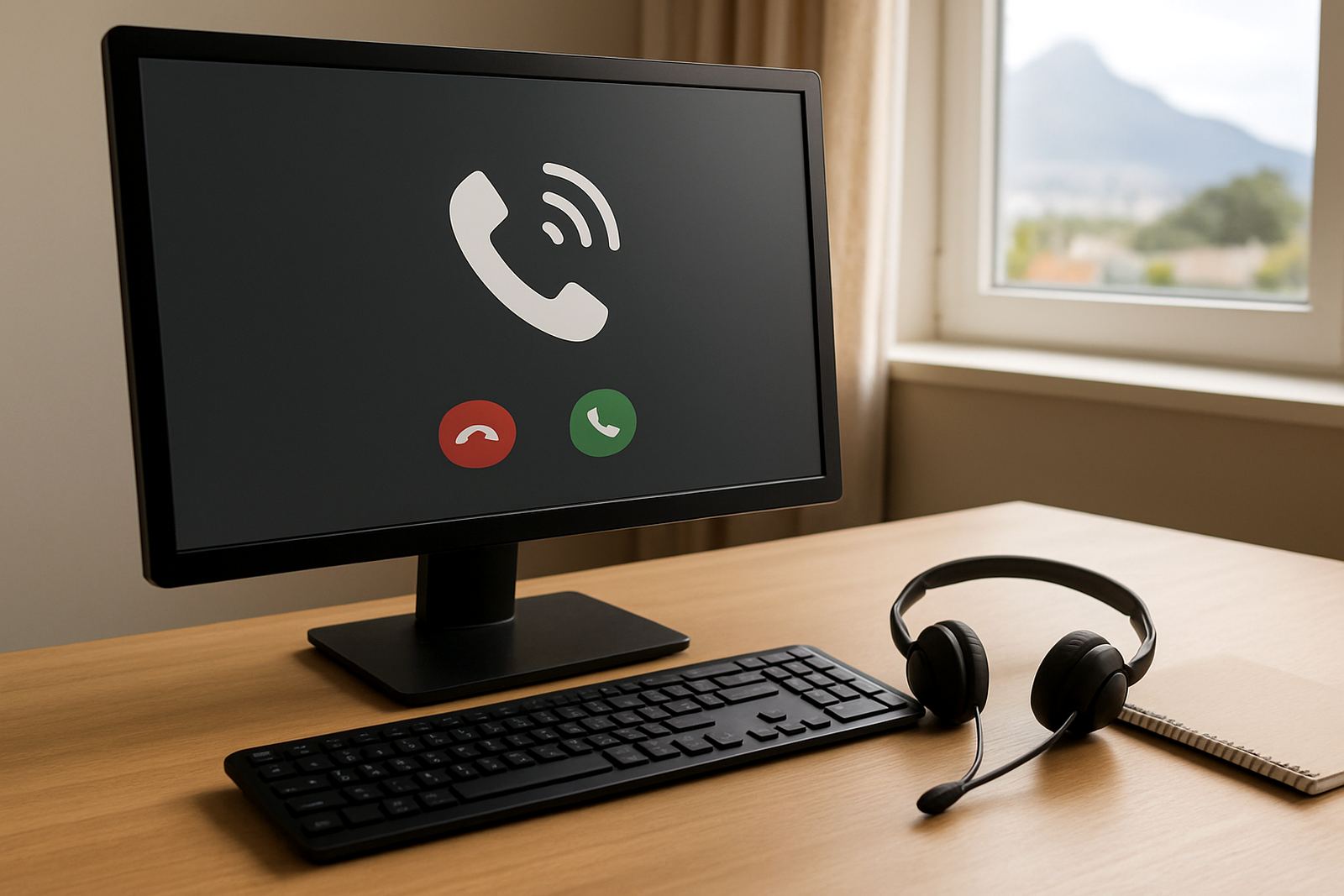
- Numbers being moved into a VoIP system
In practice, the right option depends on how your office answers calls day to day. A small practice in Stellenbosch might keep one main line and two direct numbers. A busy Cape Town team could port several numbers and route them into different voicemail boxes or call groups. The point is to keep the number structure that works for the business, not force a one-size setup.
Where It Suits Best
Number porting suits offices that are changing address, moving from copper lines, or replacing an older PBX with a VoIP phone environment. It is also useful for businesses that want to reduce line rental and simplify support. Cape Town offices in Century City, Bellville, Paarl, Somerset West and Stellenbosch often use porting when they are moving into shared premises or refurbishing a branch. Smaller teams outside the Western Cape can use the same process nationwide.
It is a practical choice where customers call the same number every week, such as medical rooms, accountants, trade suppliers, legal practices and service offices. If your team takes bookings, handles callbacks or advertises one number on vehicle signage, changing the number can cause confusion. Porting avoids that. It can also help during office relocations, because the number can stay active while your team settles into the new site.
- Office relocations and address changes
- Moves from analogue or legacy lines to VoIP
- Businesses with one main published number
- Teams that need local numbers in more than one area
Installation, Power and Network Needs
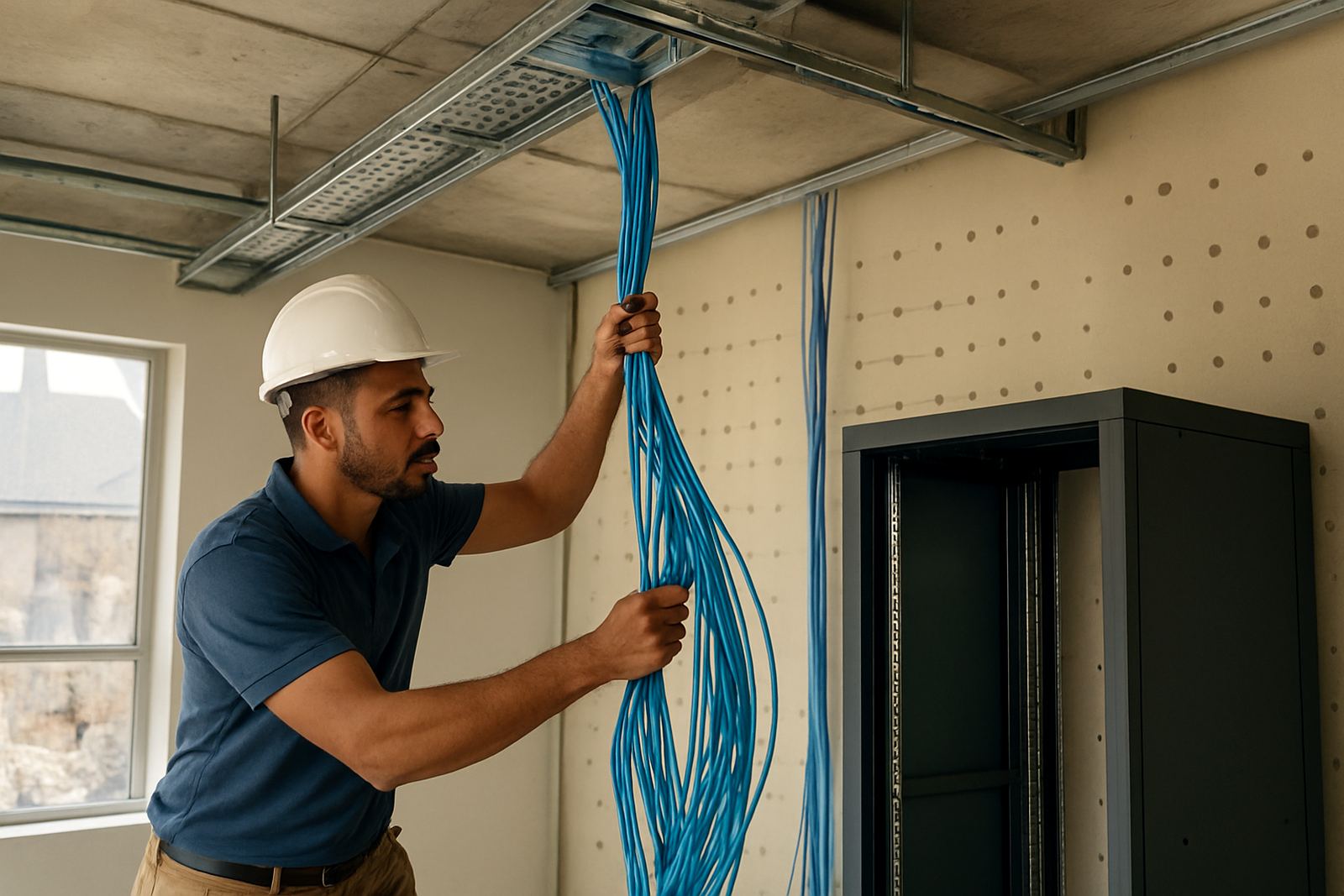
Number porting itself does not need a special physical installation at your premises, but the new phone service does. If the number is moving into VoIP, your office needs a stable fibre connection, a working router, and the right internal network setup for handsets or softphones. For larger call patterns, we may recommend quality cabling and a separate voice VLAN so call quality stays steady when the network is busy. In Cape Town offices, load-shedding planning matters too, because the internet and phones are only as reliable as the power behind them.
We normally check the following before port day:
- Active fibre line with enough speed for voice calls and daily business use
- UPS or backup power for router, ONT and phone equipment
- Correct call routing and voicemail settings
- Working handsets or headset support where required
- Any special forwarding, IVR or after-hours rules
Number porting does not need any gas service at your office. If your office has server room gear or a small rack, we can work around existing power and cooling conditions so the changeover does not upset other systems. Coastal humidity in places like Somerset West and Cape Town can also affect equipment if the network cupboard is poorly ventilated, so neat placement and sensible cable management help over time.
What to Check Before You Order
A successful port depends on good details. The account holder name must match the current supplier record, the physical address should be accurate, and any outstanding invoices or cancellations need to be handled first. If the old line is in someone else’s name, or on a bundled contract, the port can stall. It is worth checking these points early rather than on the day your office needs the number live. A small error can slow things down more than people expect.
Please have the following ready:
- Current account number and service provider details
- Exact business name on the existing line account
- Physical address where the number is currently installed
- Which numbers must stay active and which can be retired
- Preferred move date and any after-hours window
If your office is being relocated, tell us what stays on site and what moves. For example, a branch in Bellville may keep one number for the old office while a second number is moved to the new premises. That kind of planning keeps calls flowing and avoids confusion for staff and clients alike.
Care, Support and Service After the Port
Once the number is ported, the service still needs ordinary care. Test incoming and outgoing calls, confirm voicemail, and make sure call forwarding works after hours. If the office grows, you may need extra lines, more handsets or a better WiFi design for mobile softphones. NewTel also supports office relocations, network cabling and user training, which helps when a team is adjusting to a new phone environment.
For busy offices, we recommend a quick monthly check of the router, UPS batteries and handset registrations. If calls start dropping or audio becomes thin, the fault is often in the local network not the number itself. Our support team can help with monitoring, port follow-up and troubleshooting, including after-hours assistance when the business cannot wait until morning. That support is especially useful for companies that run outside standard hours or need one contact person to handle changes.
Key facts
| Service type | Business number porting into a new phone environment |
|---|---|
| Typical use | Keep existing office numbers during a move or VoIP upgrade |
| Coverage | Cape Town and nationwide |
| Compatible setups | VoIP handsets, softphones, PBX replacement and call routing |
| Power requirement | UPS recommended for router, ONT and voice equipment |
| Lead time | Depends on current provider records and account status |