
A busy Claremont practice needed cleaner call flow
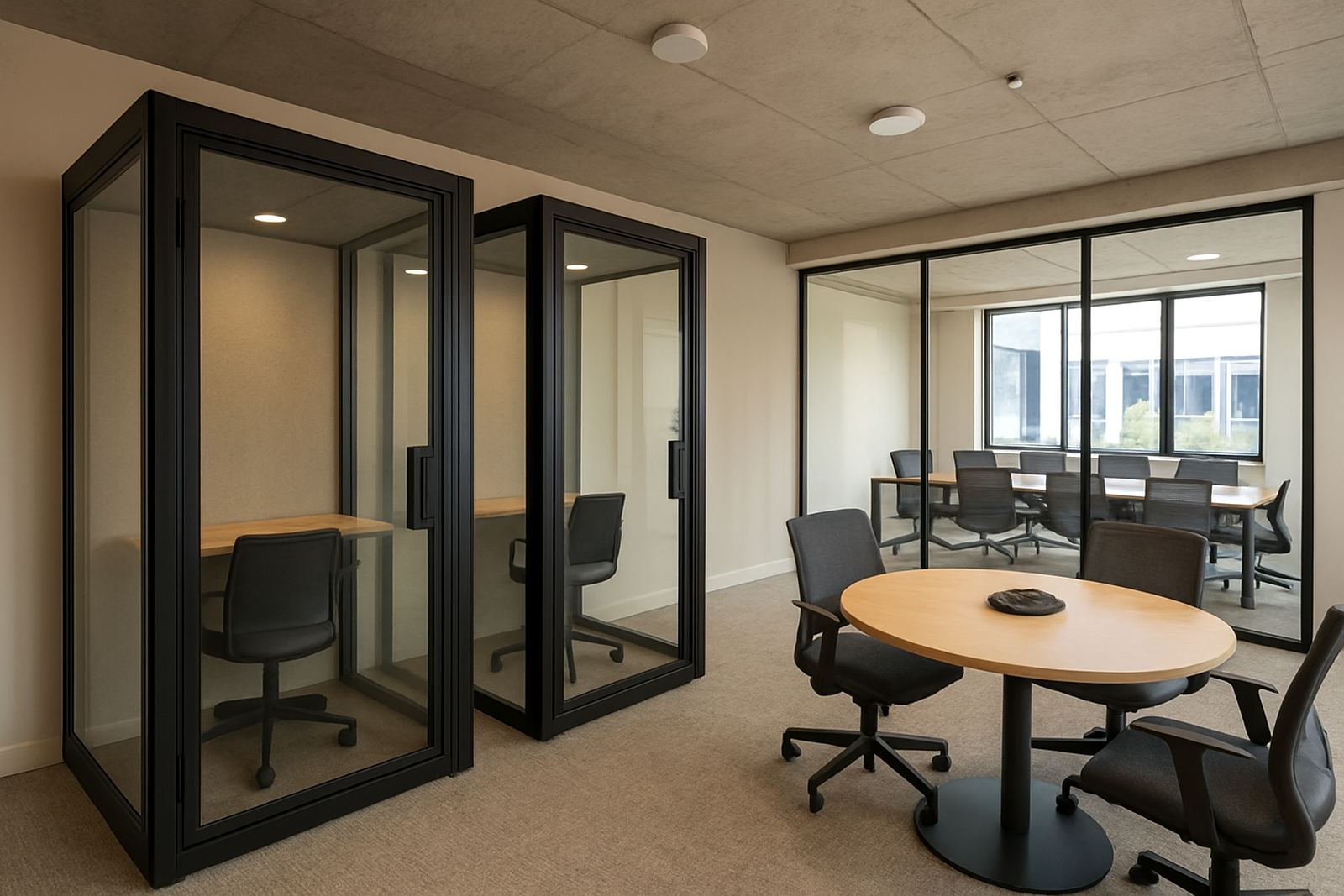
The client was a medical office in Claremont, Cape Town with reception, consulting rooms and back-office admin all relying on one ageing phone setup. Calls were being transferred manually, the internet link was under pressure during peak hours, and reception needed a quicker way to route patients to the right room without making them wait on the line.
The brief was straightforward but important. Bring in reliable fibre, set up call routing for reception, improve internal extensions and make the system easier for staff to use day to day. The practice also wanted something that would cope better with load-shedding and not fall over when several handsets were in use at once.
Because this was a medical environment, we had to work around patient hours and keep disruption low. There was limited space in the comms area and the existing cabling was untidy, so part of the job was to tidy the layout while still keeping access for future maintenance. The building body corporate also had its own approval steps for cable routes and equipment mounting, which added a bit of admin before installation could start.
What we had to plan around before installation
We scoped the site first and mapped the rooms, handset positions and network points. That helped us set out a practical design for the practice rather than just dropping in lines and hoping for the best. We also checked where the fibre entry point could run, what power backup was already on site, and which areas needed priority if the internet dropped during a storm or outage.
- Multi-room layout with reception, consulting rooms and admin counters
- Need for call transfer between rooms without repeated call-backs
- Priority for reception queue handling and patient call routing
- Existing network cabling that needed testing and labelling
- Back-up power considerations for after-hours and outage periods
The practice did not want a complicated system that only one person could use. Reception staff needed a simple transfer process, doctors wanted direct internal extensions, and the manager wanted visibility on call activity without digging through settings. That shaped the way we designed the number plan and the handset profiles.
Fibre, VoIP and internal extensions supplied on the project
We installed a new fibre service suited to a small office medical setup and paired it with VoIP telephony for the front counter and consulting rooms. The core requirement was stable call quality, low latency and enough bandwidth for daily admin, voice traffic and general office use. For this site, we provisioned a business fibre circuit with an advertised 100 Mbps service profile and configured the voice traffic to stay separate from general browsing where possible.
The telephony side included reception call routing, internal extension numbering and call transfer rules. We also set up number porting so the practice could keep its existing public number, which mattered because patients already knew it. Reception could answer, place callers into the right queue, and transfer directly to consulting rooms or admin without repeating the full story each time.
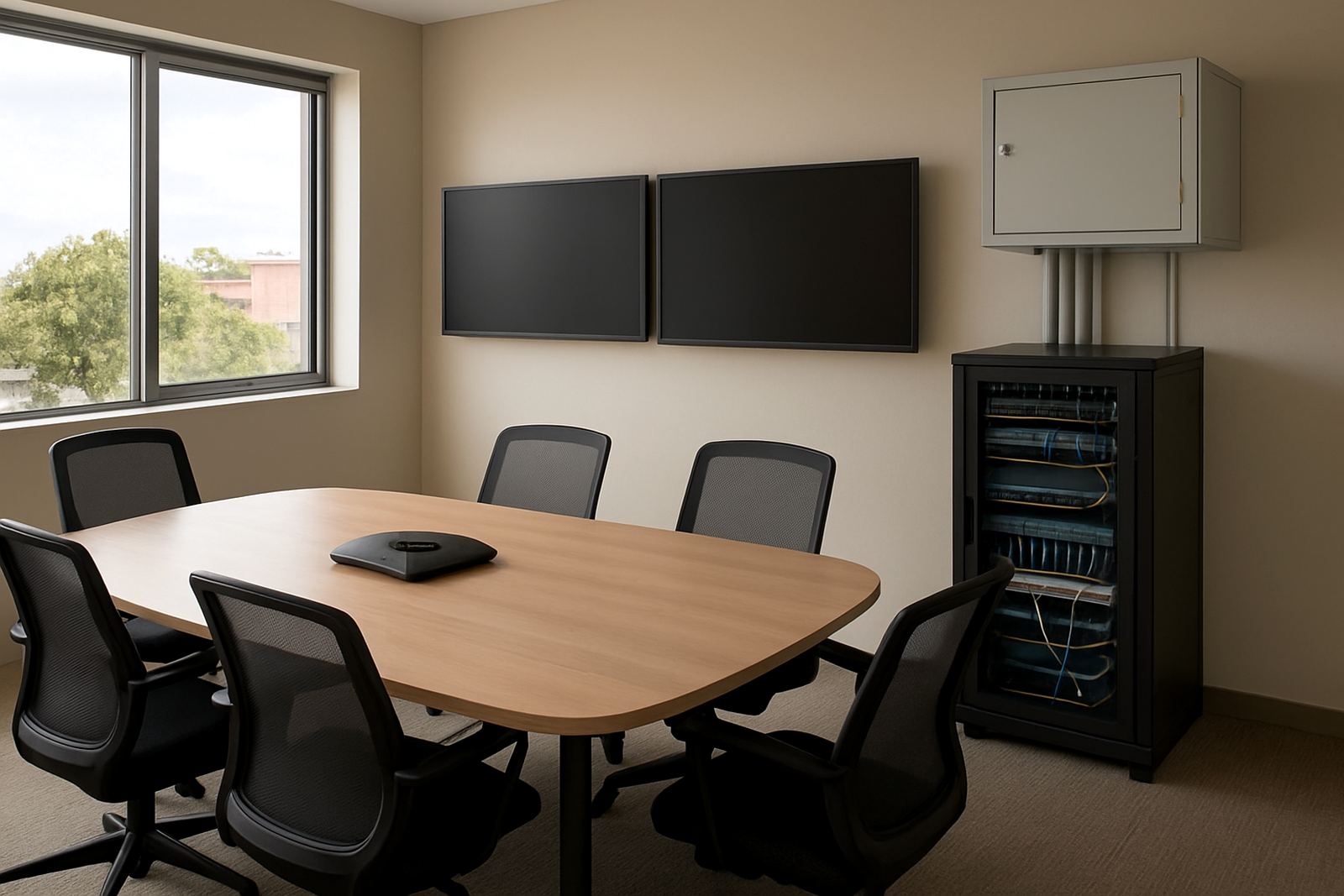
Alongside that, we reviewed the network cabling and cleaned up the patching so the system was easier to support later. A few endpoints were re-terminated, the rack area was labelled, and the network layout was documented for future fault-finding. It is boring work to some people, but when a line goes down on a Monday morning, labels save time.
- Fibre installation and service activation
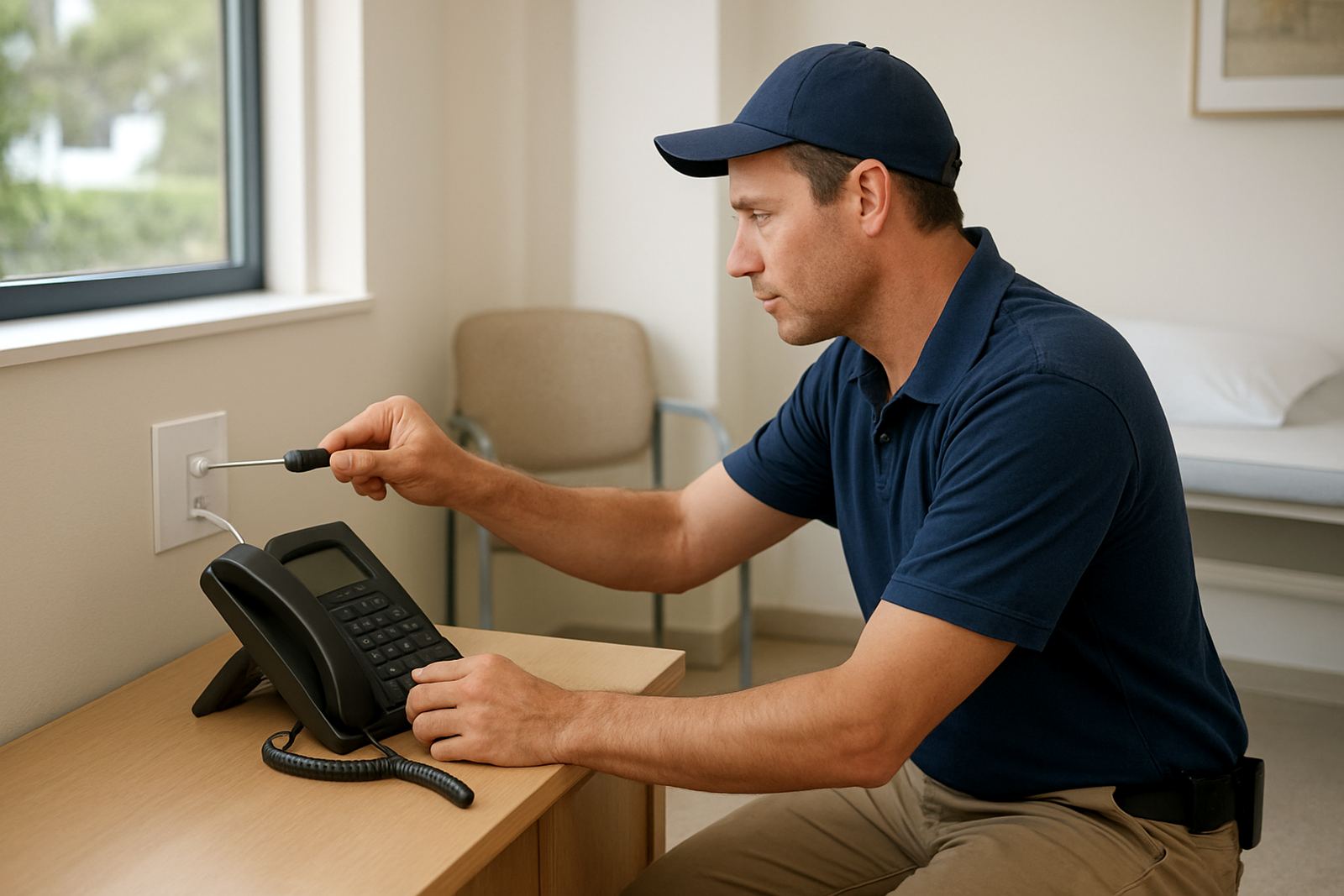
- VoIP deployment for reception and internal users
- Number porting from the existing line
- Network cabling tests and tidy-up
- Internal extension setup and call routing rules
How the rollout was staged over three weeks
For this Claremont medical office, the work moved from site survey to handover over a three week rollout. Week one was planning, cable path checks and confirmation of the approval process with the building side. Week two covered fibre activation, cabinet work and handoff testing. Week three was handset setup, routing configuration, user training and final tweaks based on feedback from reception.
We staged the cutover to limit downtime. The existing number was ported in a controlled window, and we tested incoming and outgoing calls before the practice relied on the new setup fully. Where needed, we kept the old arrangement available during the transition so the team had a fallback. That reduced stress on a already busy front counter.
There were a few practical constraints on the day. The consulting rooms could not be disturbed for long, one wall chase had to be adjusted to suit the body corporate, and the fibre entry point took a bit of careful routing to avoid visible cabling in patient areas. Small things, but they matter in a medical space where presentation and privacy both count.
What the reception team noticed straight away
Once the system was live, the practice had clearer call handling and better internal communication between reception and consulting rooms. Patients spent less time being passed around, and the front counter could route calls more confidently during peak periods. Staff also reported fewer missed handovers when rooms were full or when someone stepped out briefly.
The fibre connection made a noticeable difference to general office speed, especially when the team was dealing with online admin, file downloads and cloud-based services at the same time as voice traffic. Call quality held up better than before, and the practice no longer had to work around the uneven performance they had become used to.
- Smoother call answering and transfers at reception
- Cleaner internal extension use between rooms
- Better voice quality on incoming and outgoing calls
- Less disruption during busy periods and outages
- Improved confidence for staff using the system daily
The manager told us the biggest gain was not just speed, but predictability. When a practice knows calls will land in the right place, the front counter can stay calm and patients notice that. It is a small thing maybe, but it changes the feel of the office.
What we would repeat on the next medical office job
If we were doing this type of project again, we would follow the same approach: start with the room layout, map the call flow properly and keep the handover to staff simple. Medical offices do not need overcomplicated systems. They need a phone setup that works during a full waiting room, a busy admin hour and a power wobble on a rainy afternoon.
We would also keep the same discipline around documentation and testing. A labelled rack, clear extension list and clean cabling mean the next technician is not guessing six months later. And in a practice where time is measured in appointments, not minutes, that saves real money.
This Claremont project showed how fibre, VoIP and practical routing can tidy up communication in a small medical office without turning the place upside down. The result was a more usable front counter, steadier connectivity and a system that the team could work with from day one.
Key facts
| Project type | Medical office fibre and VoIP upgrade |
|---|---|
| Location | Claremont, Cape Town |
| Timeline | 3 weeks from survey to handover |
| Fibre service | Business fibre with 100 Mbps profile |
| Telephony | VoIP reception routing and internal extensions |
| Work included | Number porting, cabling tidy-up, user training, support |
| Key users | Reception, consulting rooms and admin team |