

The brief from a growing Stellenbosch team
The client was a small startup office in Stellenbosch, working from a fresh commercial unit close to town and needing a practical setup that would not slow the team down. Their main ask was simple: get reliable fibre in, set up VoIP calling for the whole office, and leave enough capacity for more staff later without ripping out the first install.
They were moving quickly, with sales, support and remote meetings all happening in the same week. The office needed stable connectivity for cloud tools, clear voice calls, and a layout that would work in a tight open-plan space. They also wanted the cabling kept neat so it would not become a mess once extra workstations, printers and access points were added.
- Town: Stellenbosch
- Client type: small startup office
- Need: fibre, VoIP and future-ready office connectivity
- Priority: quick turnaround with limited downtime
Site constraints and practical limits
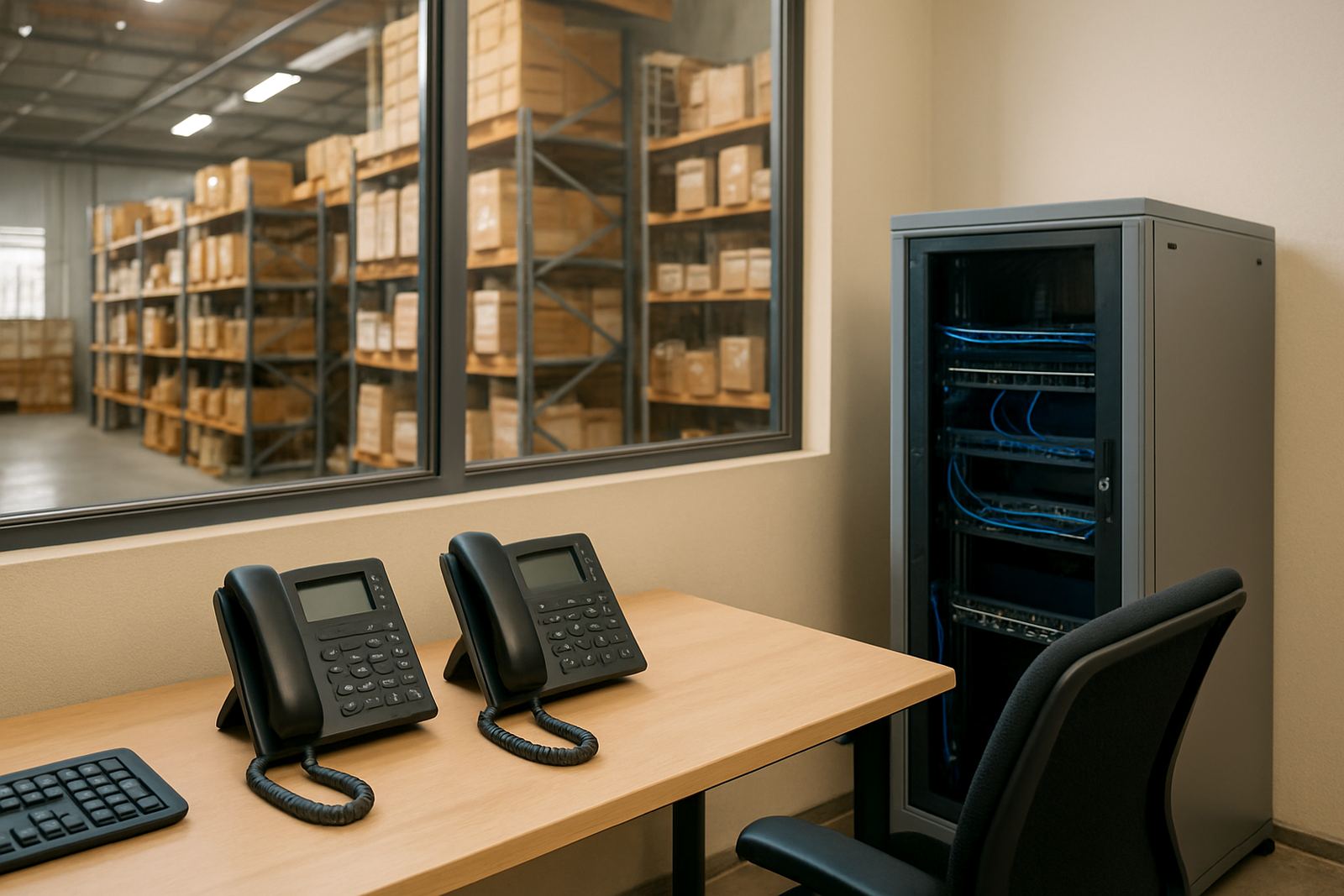
The unit had the usual startup-office headaches. The incoming point for services was not where the main work area was, so cabling had to be routed cleanly across a shared ceiling void and into the comms corner. There was also a tight handover window from the landlord, which meant most of the work had to be planned around access times and other tenants on site.
Stellenbosch can also bring its own conditions, especially with seasonal humidity and a bit of dust during fit-out. That meant the cabling and termination points needed proper protection and tidy dressing, not just a quick run-and-gun install. Power continuity was another point, because load-shedding still affects office uptime and cloud calls do not wait for anyone.
- Limited access during fit-out hours
- Neat cable routing needed for shared ceiling spaces
- Power backup considered for routers and voice gear
- Room allowed for later expansion without rework
What NewTel supplied and installed
We handled the fibre side first, then built out the office voice and network layer around it. The fibre service was installed with a business-grade handoff suitable for a small office, then tested for throughput and stability before the rest of the kit went live. From there, we set up VoIP for the team, including number porting planning so the office could keep its existing line identity where needed.
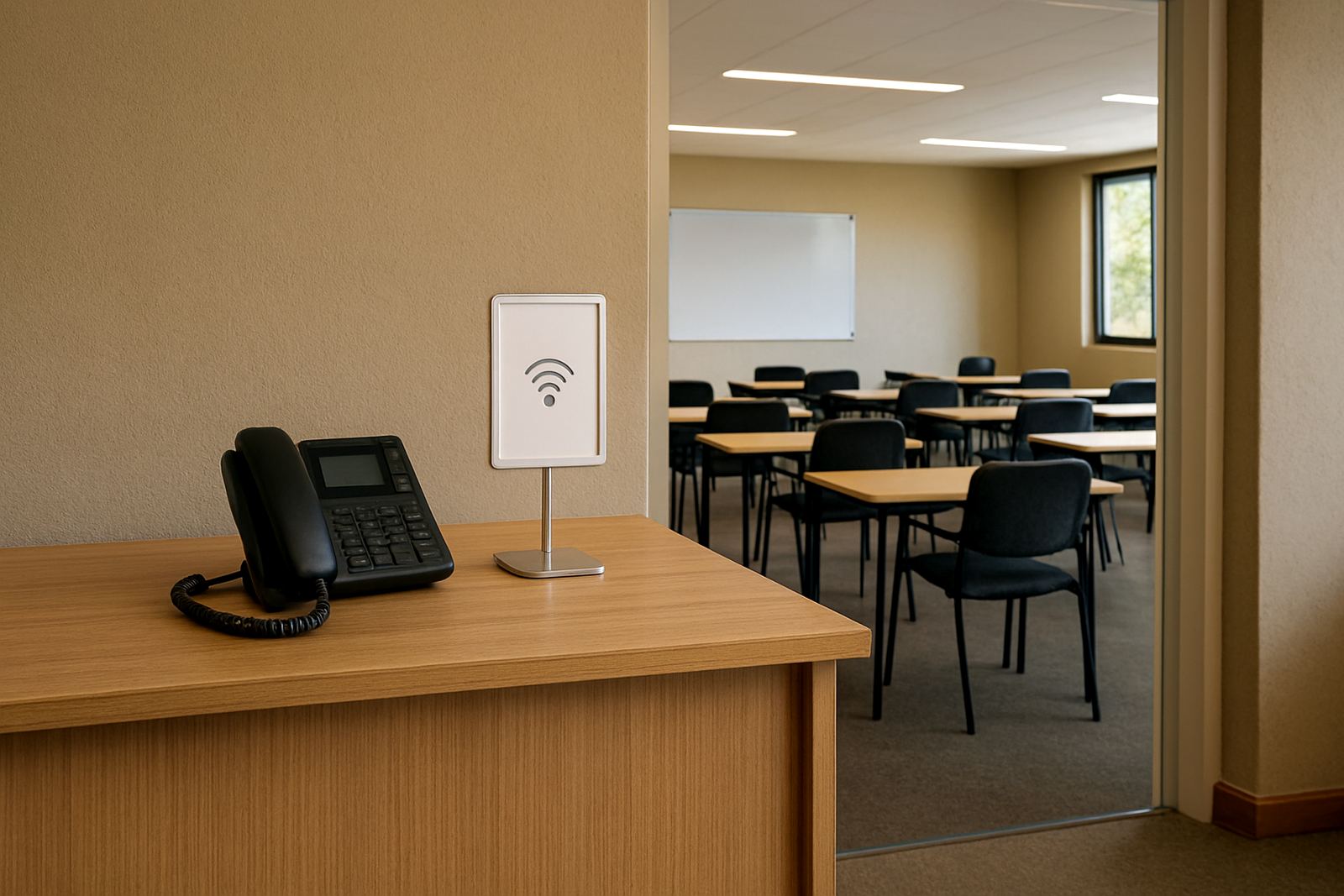
The office layout called for structured network cabling to every planned workstation point, plus clear separation between data and voice where it made sense. We also set up WiFi design so meeting areas and shared counters would not drop signal when the office filled up. The result was a cleaner network and fewer little faults later, which saves time and a fair bit of frustration.
- Fibre installation and activation
- VoIP deployment for office calling
- Number porting service planning
- Network cabling to key work areas
- WiFi design for coverage across the unit
How the rollout was completed in 3 weeks
The full project ran over 3 weeks from site assessment to handover. Week one covered the site survey, service planning and the final cable route decisions. Week two was the physical installation: fibre termination, cabling runs, network points and the voice setup. Week three was testing, user training and the final tweaks after staff had started using the system in real work.
That timeline suited the office because the team could move in without waiting for every small detail to be perfect. We also built in after-hours support during the cutover, so the new setup could be checked after the normal workday without interrupting client calls. A couple of settings needed minor adjustments once the office filled up, but that was handled quickly and with little drama.
- Week 1: survey and service planning
- Week 2: fibre, cabling and VoIP install
- Week 3: testing, training and handover
- After-hours support used for cutover checks
Results for the office team
Once the system was live, the office had stable internet for cloud tools, clear calls for internal and external communication, and a network layout that could handle growth. The team could take meetings, work across shared files and keep voice traffic separate enough from heavy data use to avoid the usual startup slowdown.
It also gave the client a setup they could explain easily to new staff. They knew where the network points were, how to use the VoIP handsets and softphone setup, and who to call if a line needed attention. That made onboarding quicker and reduced pressure on the founders, which was really the point.
- Reliable fibre for day-to-day business use
- VoIP calling with clearer office communications
- Neater cabling and easier fault tracing
- Better readiness for future hires and extra devices
What we would repeat on the next startup office
We would approach the next small office in the same way: survey first, keep the cabling plan simple, and leave enough spare capacity for growth from day one. For a startup, the biggest mistake is fitting only for the current headcount and then paying again when the team doubles six months later.
For fast-moving Stellenbosch teams, we would still keep user training brief, practical and tied to daily use. If people know how to use the VoIP features, how to report an issue and what to do during load-shedding, the system works better for everyone. In a place like Stellenbosch, where offices often grow quickly and staff move between hybrid and in-room work, that bit of preparation matters more than fancy kit. It keeps things moving and saves on avoidable callouts.
- Build in spare ports and cable routes
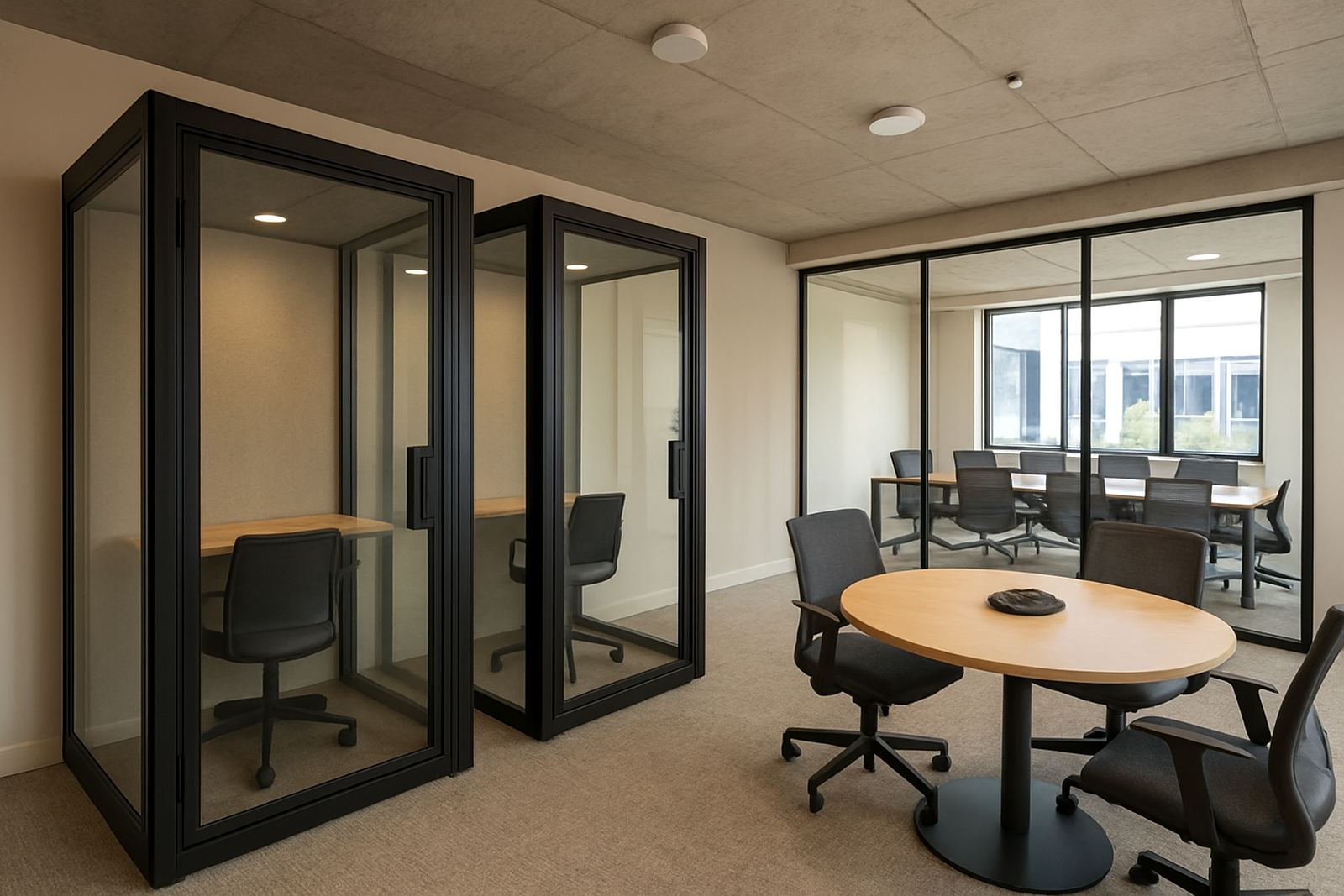
- Plan for hybrid work and meeting rooms early
- Include basic power backup for core equipment
- Train staff on calling, WiFi and fault reporting
Key facts
| Project town | Stellenbosch |
|---|---|
| Delivery timeline | 3 weeks |
| Core services | Fibre installation, VoIP deployment, network cabling, WiFi design |
| Voice scope | Office calling with number porting planning and user setup |
| Support | After-hours support and user training included |
| Project outcome | Ready for growth with room for more staff and devices |