
What a SIP trunk actually does for an office
A SIP trunk is an internet-based calling channel that connects your phone system to the public telephone network. In plain terms, it replaces the old idea of a physical phone line with a digital route for voice calls.
That lets your team use one internet connection for several calls at once instead of paying for separate lines that sit underused. If your business is in Century City, Bellville or Somerset West, this can simplify day-to-day calling and keep the reception team from missing enquiries when the first line is busy.
- More than one call can run through the same internet link
- Numbers can usually be moved from an older service with number porting
- Calls can be routed to different staff, branches or devices
The important part is that a SIP trunk is not the phone itself. It is the service that carries the call, while your handsets, softphones or office phone system do the talking. That setup gives smaller businesses more control without needing a complicated telephone room.
Why small South African businesses are moving to SIP
Many offices are looking at SIP because traditional calling can become expensive and inflexible. A Cape Town accounting office with six staff, for example, may only need two or three simultaneous external calls in the morning, then more during client booking periods. SIP lets you size the service to match real usage instead of paying for unused capacity.
It also helps when teams split their time between the office and client visits. A call can ring on a fixed handpiece, a laptop app or a mobile device, depending on how the system is set up. That makes it easier to stay reachable during load shedding, provided you have a backup power plan in place. No power means no internet, so a small UPS and battery backup are still worth the spend.
- Scale up or down as your call volume changes
- Keep the same business numbers when you relocate
- Support remote staff, shared reception and branch offices
For businesses working in coastal areas like Muizenberg or Somerset West, SIP can also be paired with fibre and proper network setup to handle day-to-day moisture, heat and busy call periods better than a patchwork of old wiring and consumer routers.
What you need before the first call goes through
A SIP service will only perform as well as the connection and network behind it. That is why a proper check of fibre, cabling and router setup matters before installation. If the office network is already slow, full of old cabling or sharing bandwidth with large file transfers, call quality will suffer.
NewTel usually starts with the basics: what internet access is in place, how many staff need phones, whether the office needs number porting, and if there are branch lines in places like Paarl or Stellenbosch that must work together. A good setup should also include clear call rules, voicemail handling and after-hours support arrangements.
- Stable fibre connection with enough upload and download speed
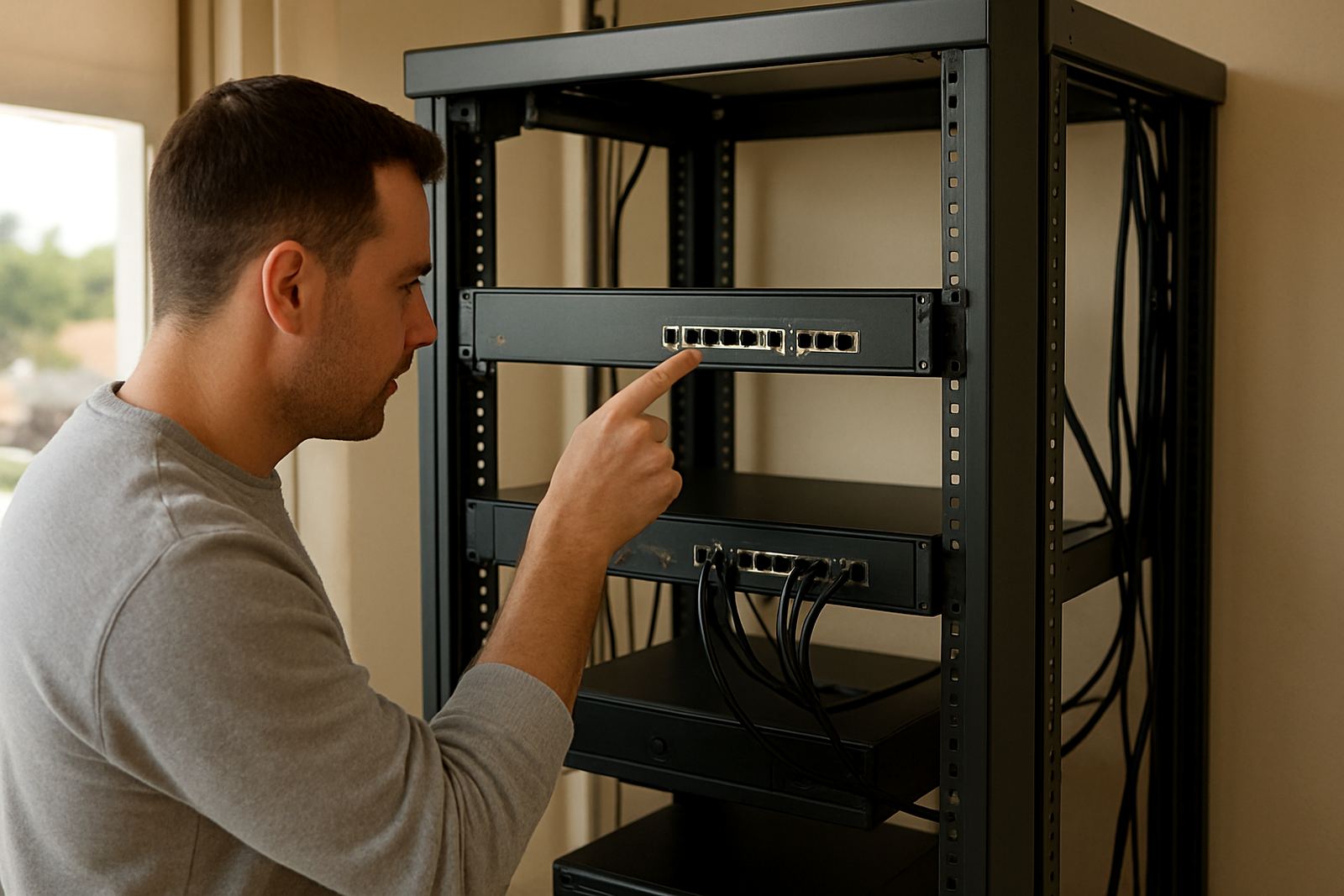
- Good quality cabling between the router, switches and phone devices
- Power backup for the router, fibre equipment and key phones
- Network monitoring so faults are spotted early
If staff share one connection for calls, message and cloud files, ask for a traffic check and proper WiFi design. Voice traffic needs priority, otherwise a team member might sound broken up while someone else is streaming a training video in the next room.
The questions to ask before choosing a SIP provider
Not all services are set up the same way, and the cheapest option is not always the best fit. For a small office, the main concern is usually whether calls stay clear during busy periods and whether support is available when something goes wrong. A provider that understands local office conditions can save hours later.
It is sensible to ask how porting works, what happens if your fibre fails, and whether your team can keep using the system during office moves or expansion. If you are opening a second branch in Bellville while keeping the main office in Century City, the phone plan should support that without turning into a mess of separate arrangements.
- How many concurrent calls are included
- Whether number porting is handled end to end
- What support is available after hours
- How call quality is monitored
- Whether the service works with your current phone system
Also ask about training. Even the best setup can be misused if staff do not know how to transfer calls, set voicemail or use the system from a laptop. A quick user session often prevents repeated support calls later, and it keeps the office from losing time on avoidable errors.
A local Cape Town example from plan to live calls
Consider a legal office in Cape Town with eight staff, a front reception point and two consultants often out of the office. They were paying for old lines, missing calls during lunch rush and struggling with transfers between the reception area and the consulting rooms. Their internet was already on fibre, but the internal network needed tidying up.
The job started with number porting, network cabling checks and a cleaner phone plan. Reception kept a small set of handsets, while consultants used softphones on laptops and mobile devices when working away from the office. The system was then monitored closely for the first week so any call quality issues could be fixed quickly. One issue turned out to be a faulty patch lead, not the service, which is a common problem in older offices.
That kind of setup gives the business flexibility without making the call process complicated. It also helped during an afternoon power cut, because the router and key equipment stayed up on backup power long enough to finish calls and notify clients. For offices in and around Cape Town, that practical backup layer matters just as much as the calling service itself.
How NewTel supports SIP trunk rollouts for offices
NewTel works with small offices across South Africa from its Century City, Cape Town base, with fibre and VoIP services designed for practical business use. The team includes Lungile Mthembu, Nadia Petersen, Nkosinathi Seleka, Anika van Wyk, Themba Dlamini and Zanele Jacobs, all working on the same goal: call systems that behave properly in real offices.
The usual service path includes fibre installation, VoIP deployment, number porting, WiFi design, network cabling, phone system support, network monitoring, office relocations, after-hours support and user training. That mix matters because SIP trunks are only one part of the picture. The office still needs the right cabling, power and support behind it.
If you are planning a move, expanding to another branch, or simply tired of missed calls and unclear audio, it helps to get the service mapped before installation day. A proper site check, clear call rules and a backup plan for outages will make the difference between a phone system that causes admin and one that simply gets on with the job.
For advice or a rollout discussion, send a message through our contact form. Whether your office is in Bellville, Paarl, Stellenbosch or farther afield, the aim should be the same, reliable calling that fits the way your team actually works.